Wimshurst Machine Manufacturer,Supplier and Exporter in Africa
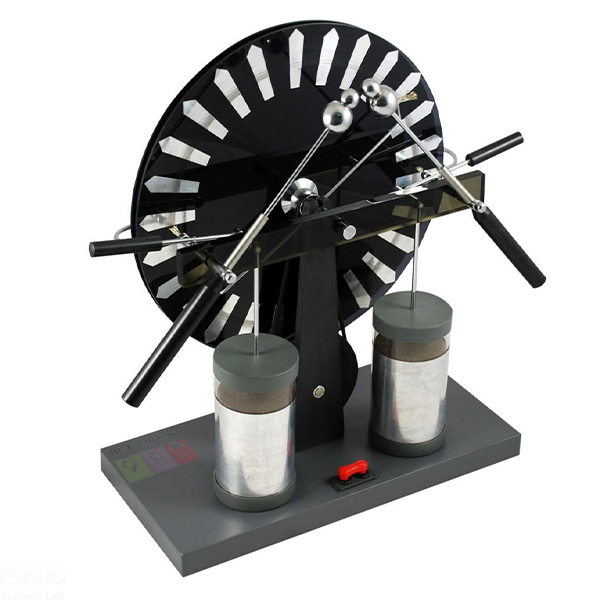
Product Code : DA-E-11342
Quick Answer: The Wimshurst Machine generates high voltages for electrostatic experiments by revolving two plates in opposite directions. Under ideal conditions it can reach up to 160 kV and produce sparks 80mm long.
Last updated: October 2026
Key Features
- Two plates revolve in opposite directions to generate charge
- Charge collected and stored in jars
- Adjustable discharge electrodes
- Jars can be isolated from the system
- Up to 160 kV and 80mm sparks under ideal conditions
- 300mm diameter plates
Technical Specifications
| Specification | Value |
|---|---|
| Plate diameter | 300mm |
| Maximum voltage | Up to 160 kV (ideal conditions) |
| Spark length | 80mm (ideal conditions) |
About This Product
Charge is generated as the two plates of the machine revolve in opposite directions. It is collected and stored in the jars, then discharged across the adjustable electrodes. The jars can also be isolated from the system when they are not wanted in the circuit.
Frequently Asked Questions
Q1. What voltage can the Wimshurst Machine produce?
Voltages of up to 160 kV and sparks 80mm long are possible under ideal conditions.
Q2. How is the charge stored and released?
The charge is collected and stored in the jars and discharged by the adjustable electrodes. The jars can be isolated from the system.
Q3. What size are the plates?
The plates are 300mm in diameter.
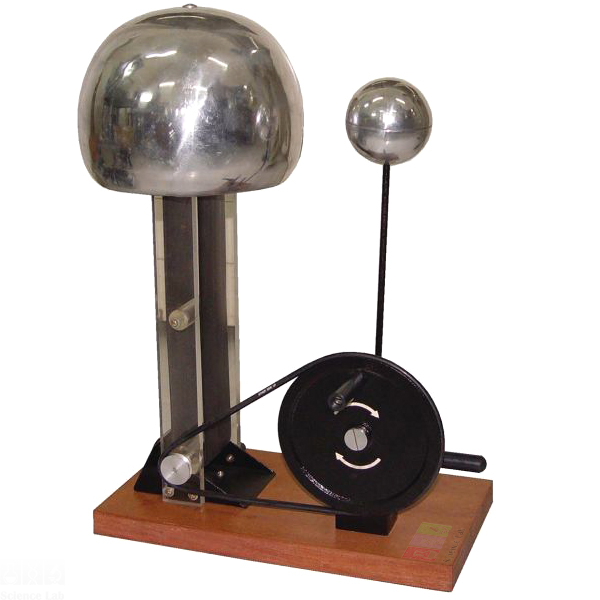
Related: Electrostatics range, Van De Graaff Generator, Van De Graaff Generator Hand Driven.
For a quotation on the Wimshurst Machine, contact Didactic Africa.